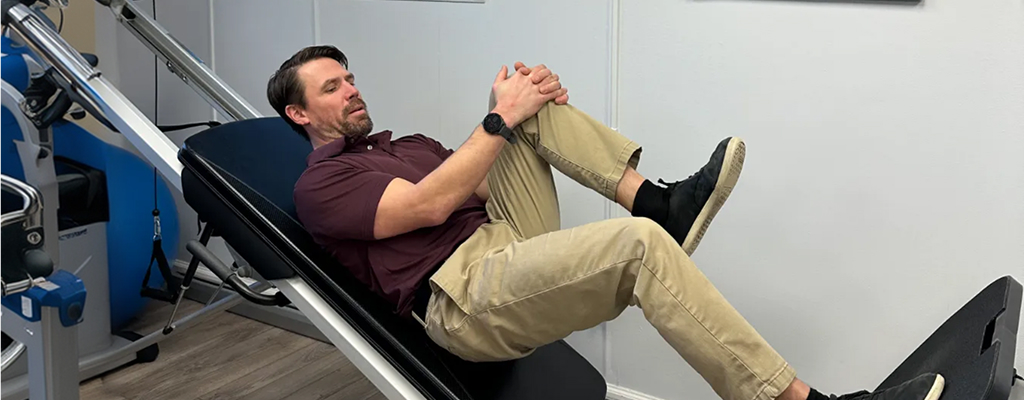

How Physical Therapy Can Help You Manage Your Symptoms
Persistent joint pain can certainly hamper your lifestyle, but with the right management, you can get back to the things you love. And good management starts by understanding the cause of your discomfort. One of the more common causes of persistent and chronic joint pain, particularly among older people, is osteoarthritis, a degenerative condition that can cause joint inflammation.
People with osteoarthritis (OA) often experience pain and stiffness in the affected joints, making it difficult to live the type of active lifestyle that could help them manage their symptoms. If you’ve been diagnosed with OA, the physical therapists at Responsive Physical Therapy and PT Works can help you better understand the condition, ensuring you get the relief you need.
Taking a Closer Look at Osteoarthritis
Osteoarthritis is the most common form of arthritis in the world, affecting around 3.5% of the global population–and nearly 32.5 million Americans. Its primary symptoms are joint pain and immobility; if left unaddressed, it can profoundly impact your overall quality of life.
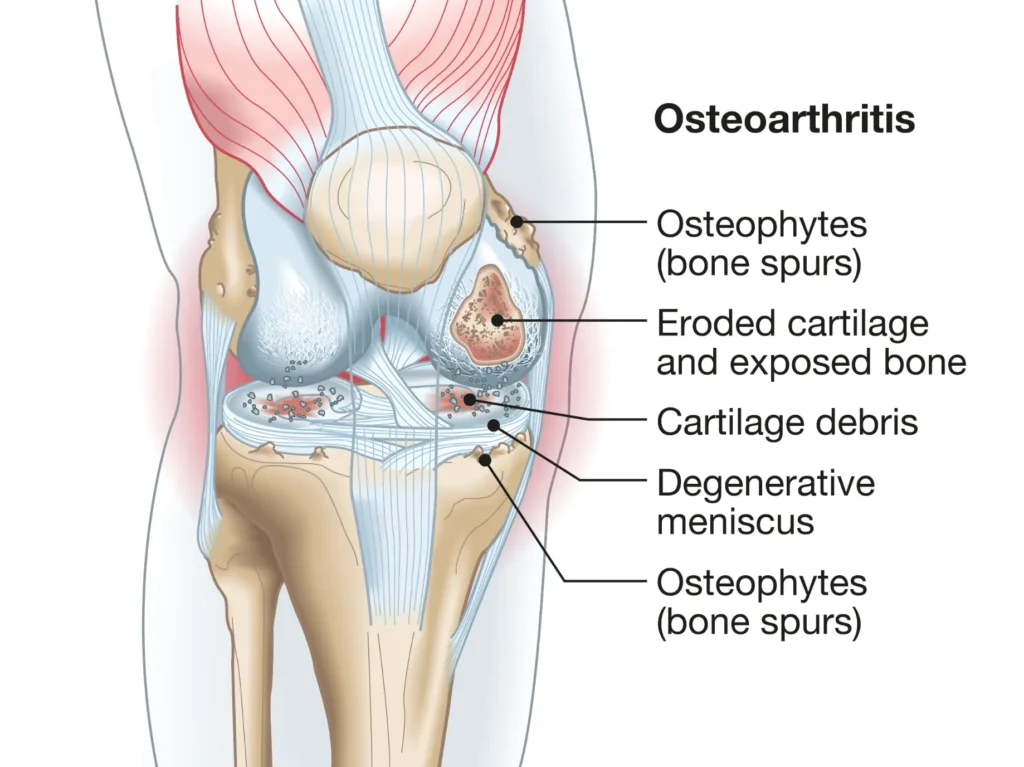
But how do you address OA, a condition with no current cure? We can start by looking at the factors that may be contributing to your symptoms. The joints in your body contain two materials that help protect the bones:
- Cartilage, a flexible tissue that acts as a shock absorber and prevents the bones in a joint from rubbing against each other
- Synovial fluid, a substance that lubricates your joints whenever you move
Osteoarthritis is a degenerative joint disease characterised by bone changes, inflammation, and the progressive breakdown of cartilage, which can result in joint pain, stiffness, and reduced function.
But what causes that degeneration? It’s thought to stem from a combination of factors, including age-related cartilage degeneration, previous joint injury, joint malalignment, obesity-related mechanical and inflammatory stress, or genetic predisposition—rather than by aging alone or normal joint use. But at the end of the day, what’s more important is knowing that you have several options for reducing your symptoms, including physical therapy.
How Do I Know If It’s Osteoarthritis?
There are many reasons someone might experience joint pain beyond osteoarthritis, so it is important to seek out an expert, such as the physical therapists at Responsive Physical Therapy and PT Works, to be sure. That said, certain types of pain and other symptoms could indicate you’ve developed OA, especially if you’re over 50:
- Pain that flares up during activity but lessens with rest.
- Pain when you press on the joint.
- Joint stiffness, particularly first thing in the morning or after a prolonged position (like a car ride)–it’ll usually ease up after about 30 minutes.
- Cracking, crunching, or creaking noises in the joint (officially known as crepitus–those sounds are due to cartilage wear or joint surface irregularities).
When you visit us for your initial appointment, our therapists will conduct a detailed physical assessment that considers your health history, risk factors, and symptoms. We’ll also conduct several movement screens that test your range of motion, strength, and balance, which can help develop the best treatment plan for your needs.
Movement: The Best Medicine for OA
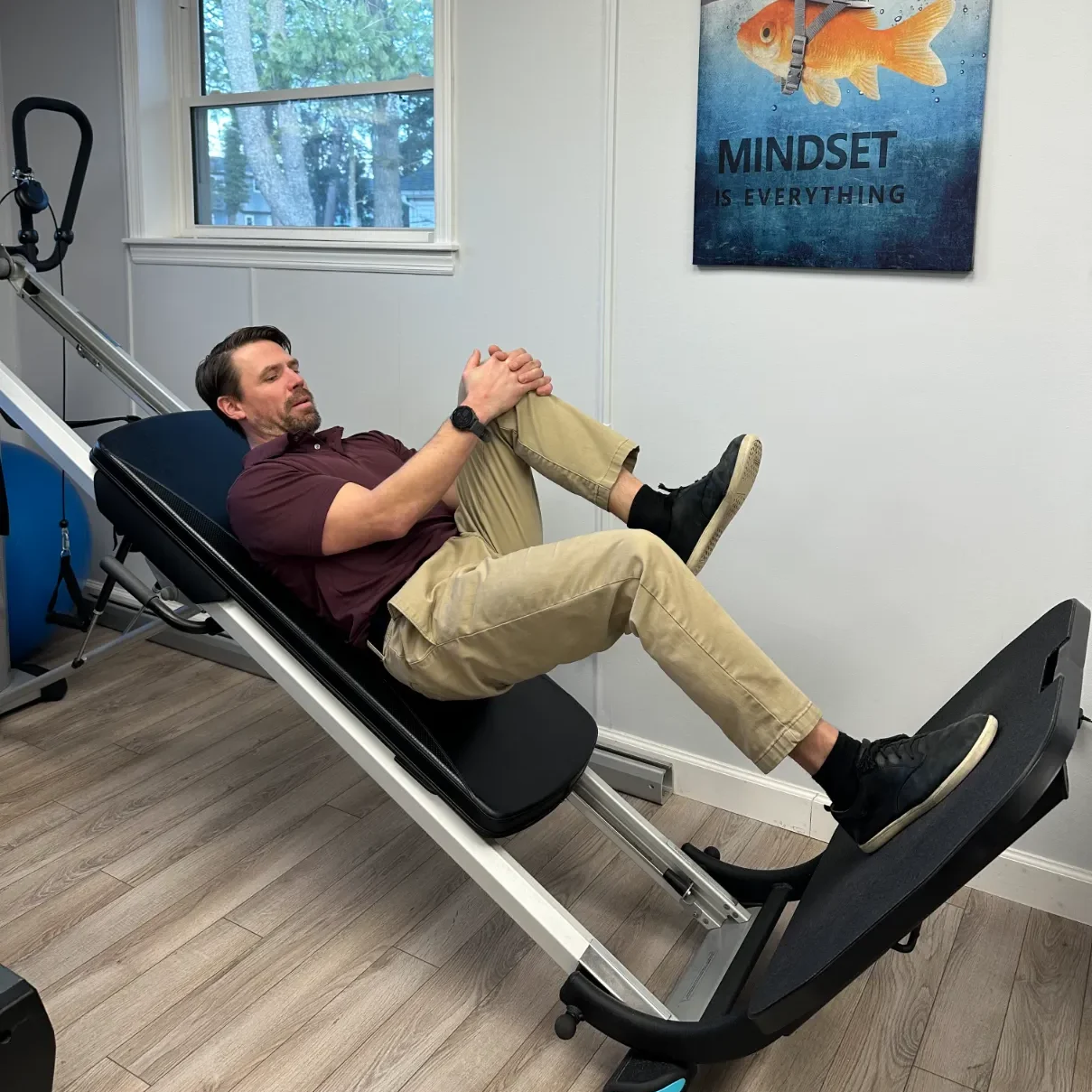
It might sound contradictory, but exercise is crucial in treating and managing osteoarthritis. Your joints want to move, and moving them regularly reduces pain and stiffness through improved synovial fluid circulation, keeping them healthy and lubricated.
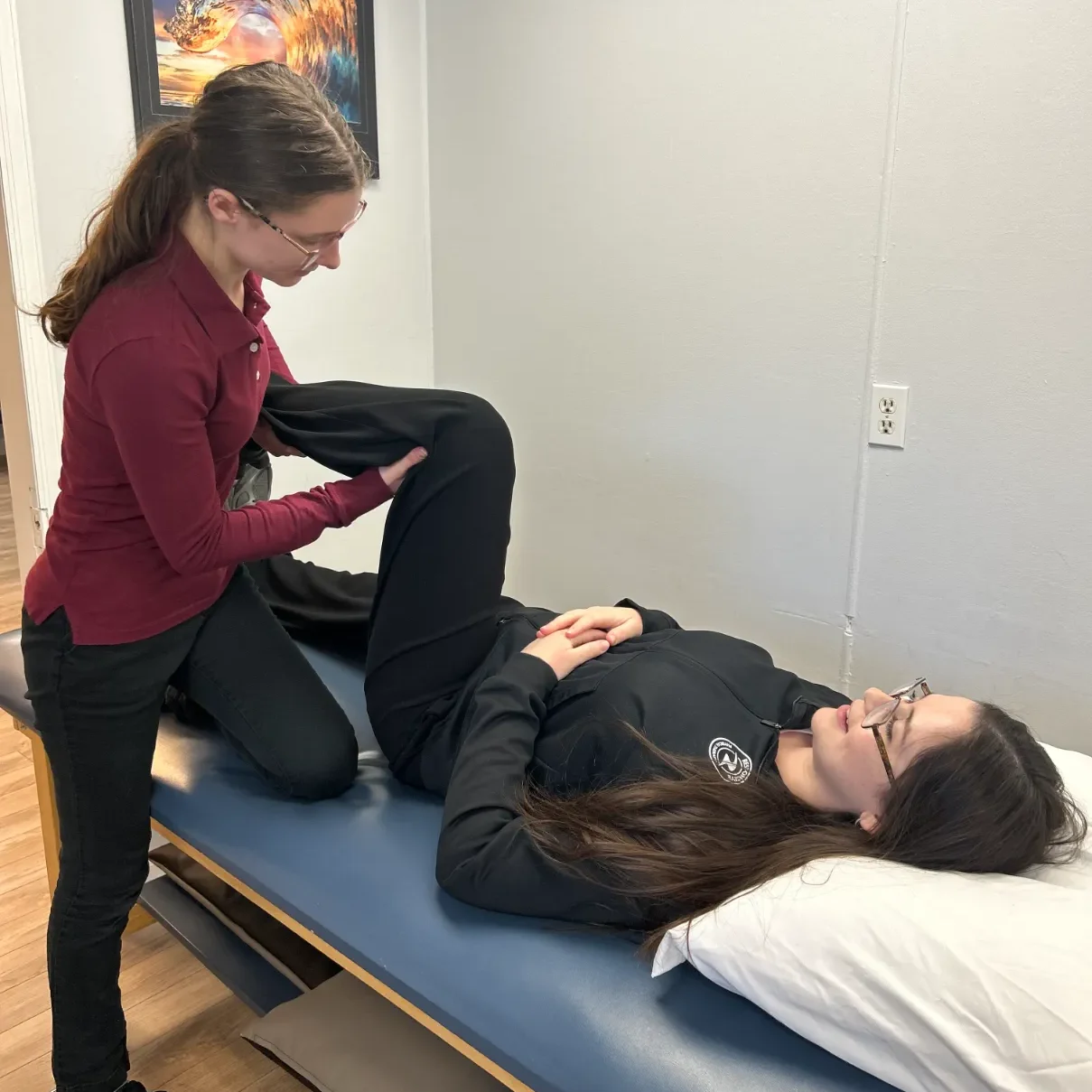
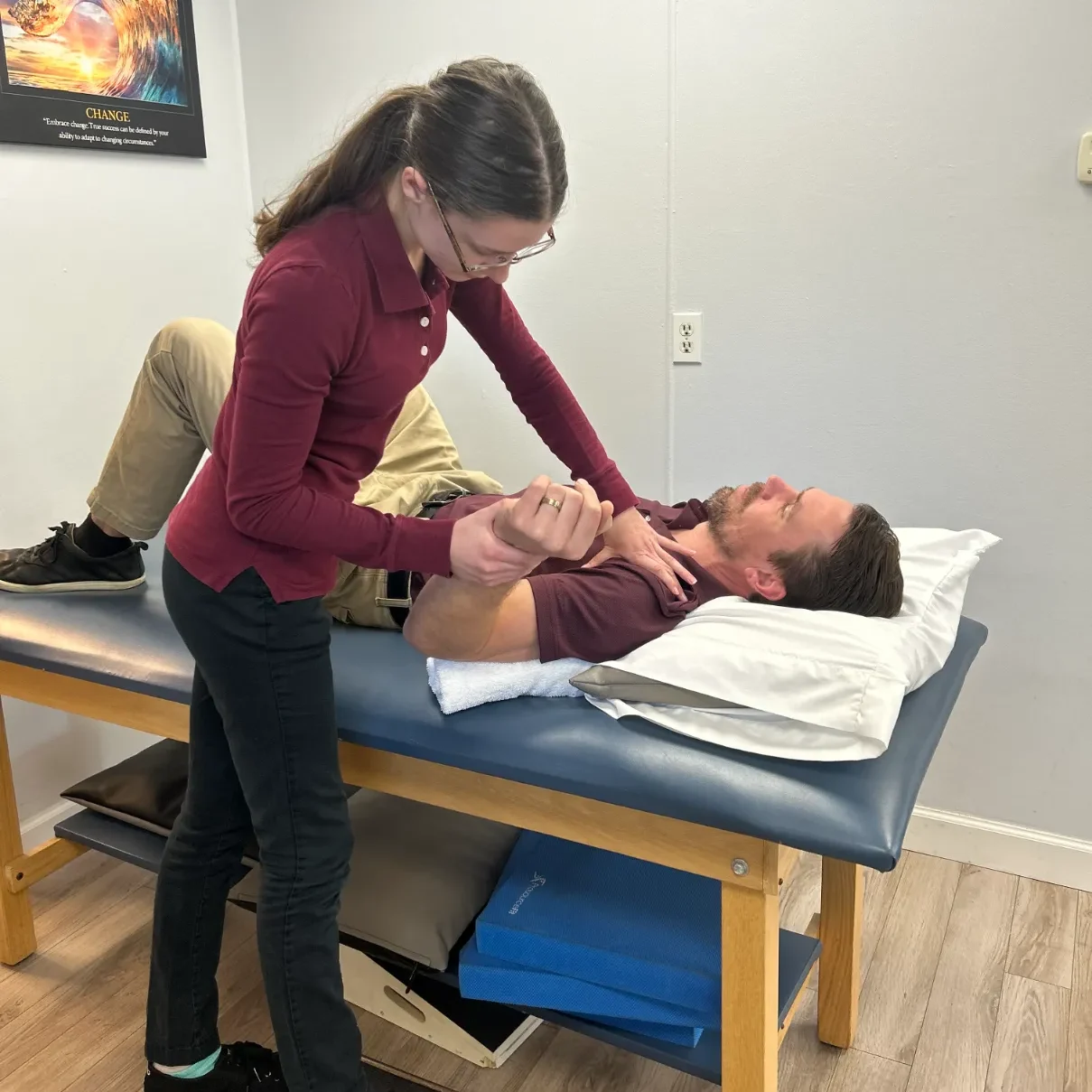
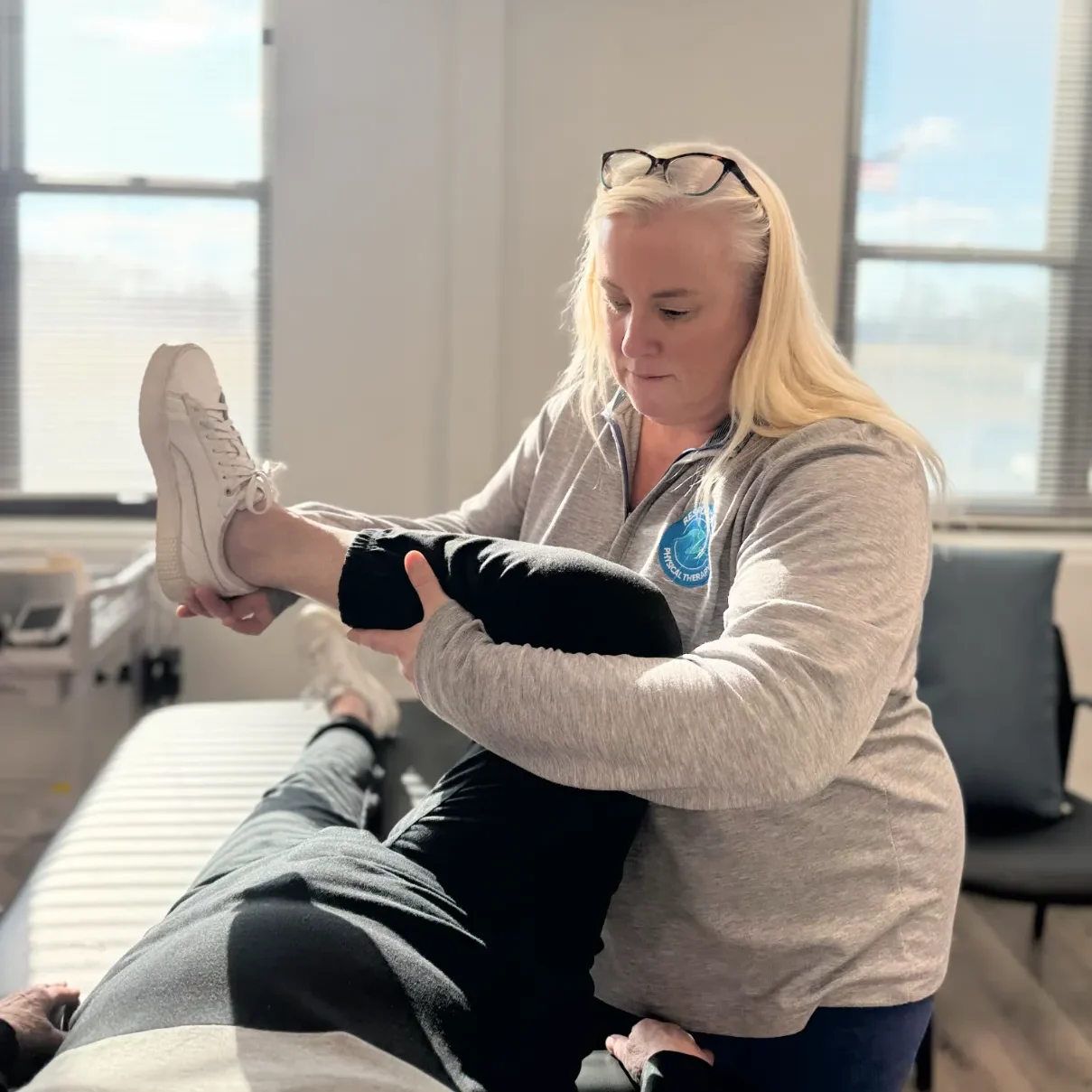
For this reason, physical therapy plays an important role in helping you manage osteoarthritis, especially if you want to avoid surgery. We’ll work closely with you to develop a tailored exercise program that suits your needs and ability levels, focusing on reducing pain, restoring mobility, and improving activity tolerance.
We can also help with other areas of OA management, such as…
- Providing drug-free pain relief through manual therapy techniques.
- Working with you to improve your joint’s range of motion so you can move more freely.
- Helping you improve your balance and walking patterns. While OA can affect any joint, it’s most common in weight-bearing joints like the hips or knees, which makes it difficult for you to move around.
- Educating you on OA and various self-management strategies so you can take a proactive role in addressing your symptoms
Test Your OA Knowledge
How much do you know about osteoarthritis? Take this quick true or false quiz to find out!
Don’t Let Osteoarthritis Cramp Your Style!
Suspect you may have OA? Recently diagnosed and seeking treatment? The team at Responsive Physical Therapy and PT Works can help. Our physical therapists specialize in developing personalized treatment plans that address your unique needs and help you regain mobility and reduce pain. We’re committed to helping you maintain an active, fulfilling lifestyle despite osteoarthritis.
Sources:
https://www.choosept.com/guide/physical-therapy-guide-osteoarthritis
https://www.ncbi.nlm.nih.gov/books/NBK482326/
https://www.cdc.gov/arthritis/basics/osteoarthritis.htm