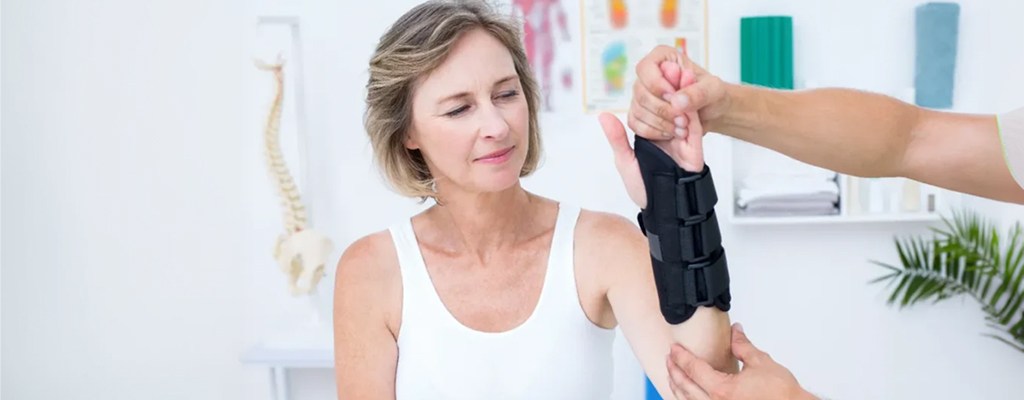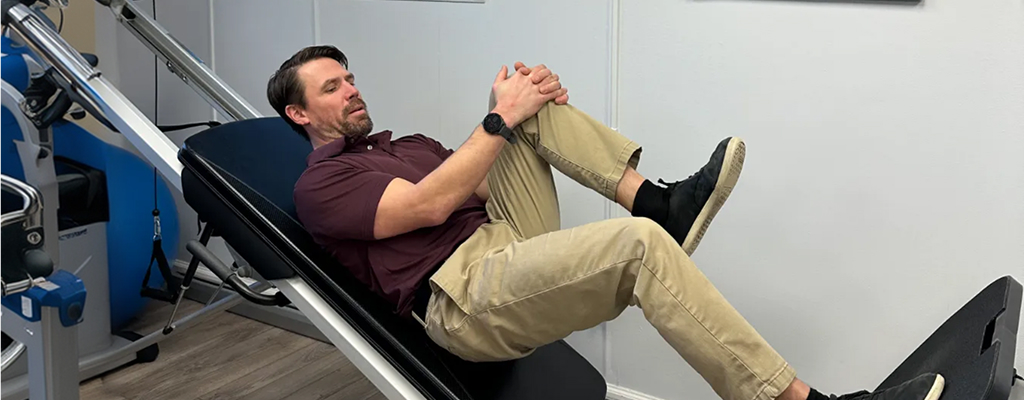

Have you been dealing with a challenging orthopedic condition, such as spinal stenosis or osteoarthritis? You may have heard that surgery is the logical next step.
While it’s true that surgery can play an important role in managing certain conditions, many people find success by exploring conservative, movement-based options first. For orthopedic concerns, that often means looking to physical therapy, which is a recommended first-line approach for several musculoskeletal conditions.
A treatment plan from the team at Responsive Physical Therapy and PT Works will help you improve movement, build strength, and return to the activities that matter most, without immediately jumping to more invasive interventions. We can help you understand the nature of your symptoms and the fact that many orthopedic conditions can improve with conservative care.
When Physical Therapy Can Be a Helpful Starting Point
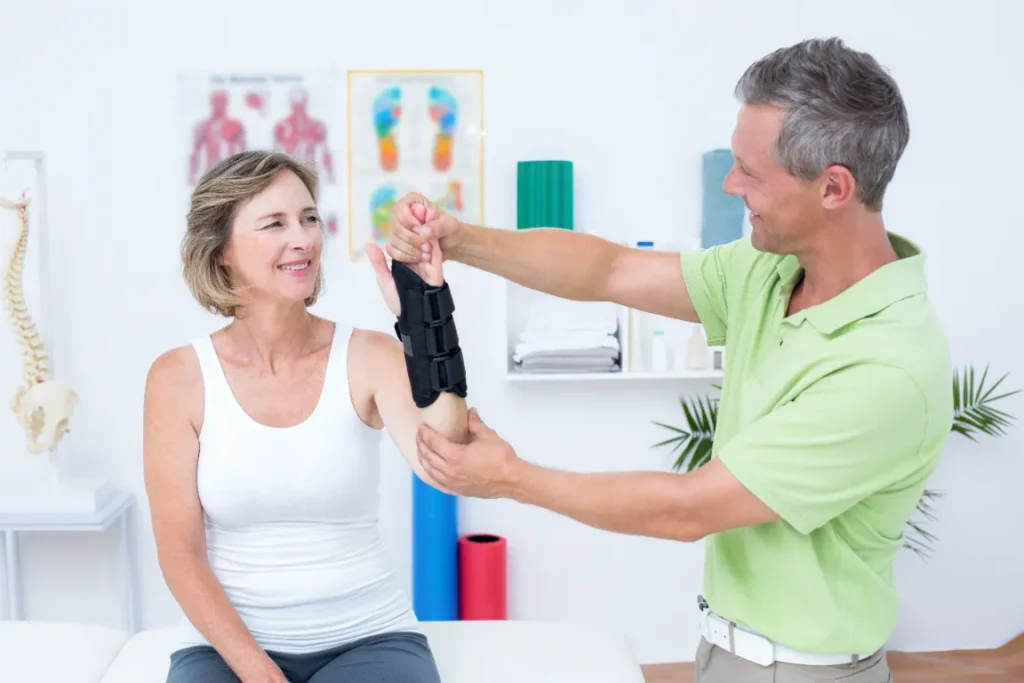
A wide range of orthopedic conditions can respond well to a personalized, progressive physical therapy program. Some of the more common ones include:
Osteoarthritis
While it’s true that OA is a long-term condition, it doesn’t have to automatically define what you can or can’t do. With the right combination of movement, strengthening, and mobility restoration, many people can stay active and continue doing what they enjoy.
Ligament Injuries
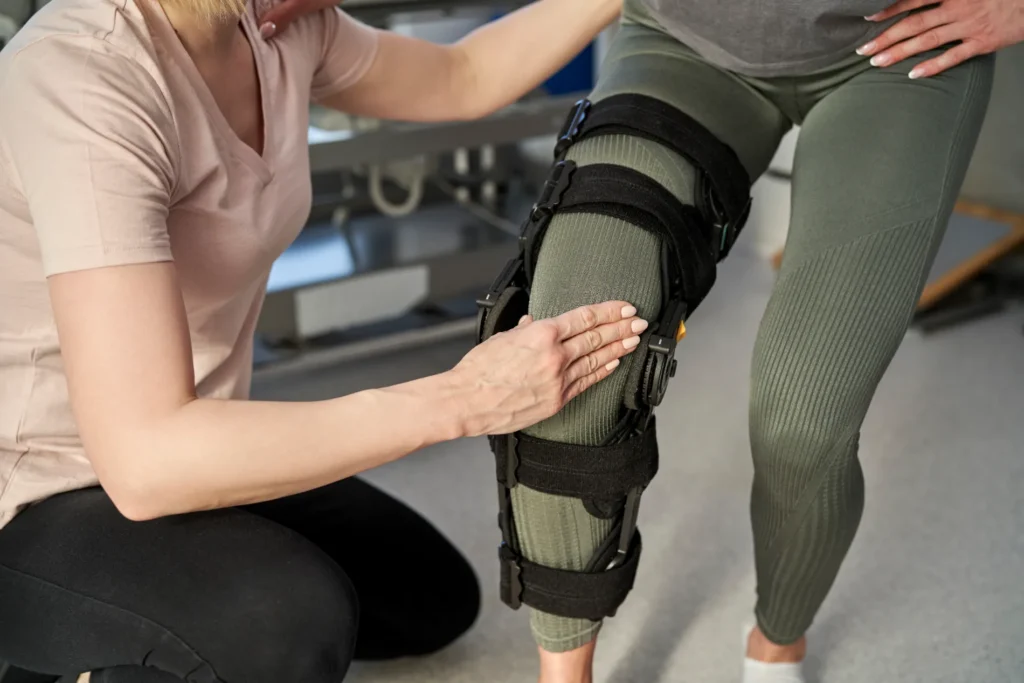
Not every ligament injury requires surgery. In many cases, a structured rehabilitation program can help improve stability, restore function, and build confidence with movement over time.
Spinal Stenosis
This condition causes a narrowing in the spine that can sometimes make activities like standing or walking more challenging. Physical therapy can help you find positions and strategies that improve comfort and allow you to stay more active throughout the day.
Disc-Related Pain
Pain that may be related to the spinal discs, such as bulging or herniated discs, responds well to gradual, individualized care. Utilizing different movement patterns, exercise, manual techniques, and proper education, our therapists will design a program specific to the needs and goals of each patient.
It’s important to remember that no two people experience these conditions in exactly the same way. That’s why our team designs care that can evolve over time, based on how your body responds and what you’re hoping to achieve.
Why Many People Start with Physical Therapy
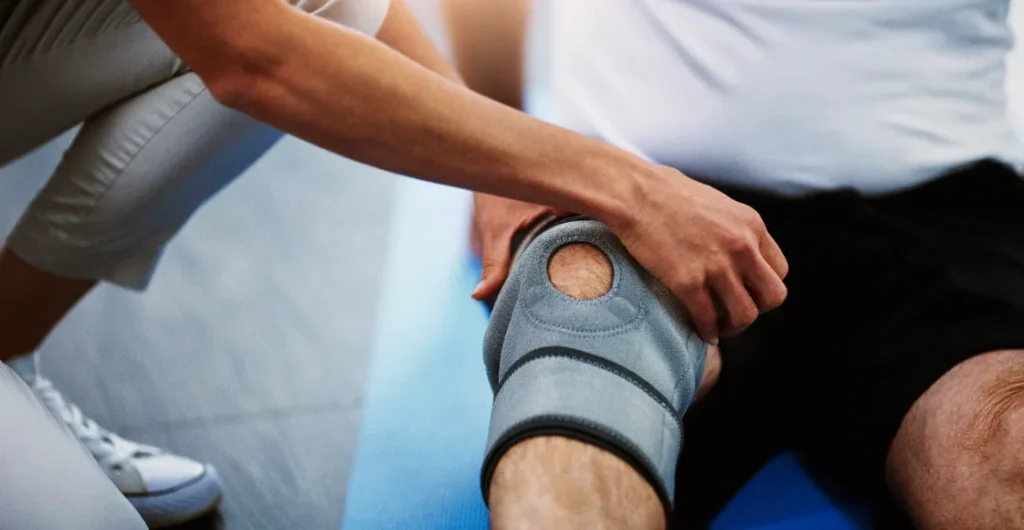
Deciding how to approach treatment can feel like a big decision. Like all interventions, surgery comes with both benefits and drawbacks, and in some cases, those benefits outweigh the potential risks. However, for many people, starting with physical therapy offers a proactive, non-invasive way to begin addressing common musculoskeletal concerns.
Some find that physical therapy helps them make meaningful progress toward their goals. For others, it can serve as a valuable step in understanding their condition and preparing for any future care they may need.
Our role is to guide that process, reduce fear or apprehension, and help you navigate the path back to full function.
Three Benefits of a PT-First Approach
Focus on Function
The ultimate purpose of physical therapy is to help you move better and feel more confident doing the things you enjoy. We’ll tailor treatment based on your needs and recovery goals.
Adaptable Approach
We’ll also adjust your plan as you progress, so we can meet you where you are and build up slowly over time.
Supports an Active Lifestyle
Physical therapy is designed to fit into your life, not pull you away from it.
What to Expect During Physical Therapy
Your treatment at Responsive Physical Therapy and PT Works begins with understanding you as an individual. Your symptoms, goals, lifestyle, and past experiences all play a role in shaping the right path forward.
Your first visit is centered on a detailed evaluation to help us understand your unique needs. We’ll discuss how your symptoms affect your daily life, which activities are important to you, and the goals you’d like to work toward.
From there, your physical therapist will build a plan that may include:
- Hands-on techniques to provide a good foundation for treatment
- A personalized therapeutic exercise plan to improve strength, mobility, and endurance
- Strategies to help you move more comfortably during everyday activities
- Education to better understand your symptoms and how to manage them
This process is collaborative. Rather than following a rigid protocol, we shape your care around what works best for you.
Take A Thoughtful First Step Forward with Responsive Physical Therapy and PT Works
If you’ve been navigating pain or limited mobility, it can be helpful to know that you have options. Physical therapy offers a personalized, evidence-informed starting point that helps you move forward with clarity and confidence.
If you’re curious about what physical therapy could look like for you, our team is here to help you get started. Contact our clinic today to schedule your initial appointment.
True or False?
Test your knowledge about physical therapy and orthopedic care.
1. Surgery is always the best first step for orthopedic conditions like spinal stenosis or osteoarthritis.
2. Physical therapy can help people with ligament injuries avoid surgery in many cases.
3. Disc-related pain, like herniated discs, rarely improves without surgery.
4. A physical therapist will create a one-size-fits-all program for everyone with the same diagnosis.
Getting Ready for Yard Work and Gardening: Take These Steps
- Prep Your Tools: Ensure your garden tools are clean and sharpened.
- Safety Gear: Remember to wear appropriate safety gear like gloves, sunblock, and a wide-brimmed hat to protect yourself.
- Stretch It Out: Begin with gentle stretching exercises to warm up your muscles and prevent injuries.
- Plan Your Tasks: Prioritize tasks by starting with lighter tasks before tackling heavy lifting or digging.
- Proper Posture: Maintain good posture and bend your knees when lifting to prevent back strain.
- Stay Hydrated: Keep a water bottle handy and take breaks, especially on hot days.
- Know Your Limits: Don’t push yourself too hard. Listen to your body and take breaks when needed.
- Mulch and Weed Control: Apply mulch to reduce weeds and moisture loss in the soil, making future yard work easier.
- Proper Lifting: Use your legs when lifting heavy objects and keep the object close to your body to reduce strain.
- Enjoy the Process: Take time to appreciate your efforts and the beauty of your outdoor space.

Ready to Move Better and Feel Your Best?
Whether you’re managing an orthopedic condition or recovering from a yard-work strain, our team at Responsive Physical Therapy and PT Works is here to help. Contact us today to schedule your appointment.
Sources
https://jamanetwork.com/journals/jama/fullarticle/2705186, https://pubmed.ncbi.nlm.nih.gov/27385156/, https://www.ncbi.nlm.nih.gov/pmc/articles/PMC6252248/