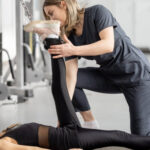


Walking is a fundamental part of daily life, yet it’s something many of us take for granted—until it becomes difficult. Gait disorders in adults are more common than most realize, often resulting in mobility challenges, increased fall risk, and reduced quality of life. Understanding the causes of these disorders is key to finding effective solutions. At Responsive Physical Therapy and PT Works, our physical therapists specialize in identifying the root causes of gait issues and providing tailored treatments to help patients regain their stride.
Understanding Gait Disorders: More Than Just a Walking Problem
A gait disorder refers to any abnormality in the way a person walks or moves. Far from being a simple issue of “walking funny,” gait problems often stem from complex interactions between the nervous system, muscles, joints, and balance mechanisms. These disorders can affect a person’s speed, stride length, balance, and coordination, making even short walks exhausting or unsafe.
Recognizing that gait disorders in adults are more than a mobility challenge is the first step toward identifying the underlying cause and creating an effective treatment plan.
Neurological Causes of Gait Disorders
Many gait disorders in adults originate from neurological conditions that impair the body’s ability to coordinate movement. Some of the most common causes include:
Stroke:
- A stroke can lead to weakness or paralysis on one side of the body, resulting in a characteristic dragging or limping gait.
Parkinson’s Disease:
- This condition is often associated with a shuffling gait, reduced arm swing, and difficulty initiating movement.
Multiple Sclerosis (MS):
- MS can cause muscle weakness, spasticity, and balance issues, all of which contribute to abnormal gait patterns.
Peripheral Neuropathy:
- Damage to the nerves, often caused by diabetes or chemotherapy, can result in numbness or tingling in the feet, leading to instability and altered walking mechanics.
Each of these conditions affects the nervous system in unique ways, making specialized evaluation and treatment essential.
Musculoskeletal Conditions and Gait Disorders
The musculoskeletal system plays a critical role in supporting and moving the body. When this system is compromised, it often leads to gait abnormalities. Key contributors include:
Arthritis:
- Inflammation and stiffness in the hips, knees, or ankles can make walking painful and lead to compensatory movements.
Hip or Knee Injuries:
- Ligament tears, fractures, or overuse injuries can disrupt the joint’s ability to function smoothly.
Muscle Weakness:
- Weakness in the lower extremities, particularly the quadriceps and glutes, often results in instability and unsteady walking.
Chronic Pain:
- Pain in any part of the body can alter walking mechanics, as individuals unconsciously change their stride to minimize discomfort.
Addressing these issues requires a combination of strengthening exercises, pain management, and gait retraining.
Age-Related Changes and Balance Issues
As we age, natural changes in the body can contribute to gait instability. While not inevitable, these changes are common and can significantly impact mobility:
Muscle Atrophy:
- Loss of muscle mass and strength makes it harder to maintain stability while walking.
Reduced Joint Mobility:
- Stiffness in the hips, knees, and ankles can lead to shorter steps and reduced stride length.
Sensory Decline:
- Aging often brings a decline in vision, proprioception (body awareness), and inner ear function, all of which are crucial for balance and coordination.
For older adults, these factors can increase the risk of falls and make everyday activities more challenging.
Responsive Physical Therapy and PT Works Can Help Gait Disorders in Adults
We understand that no two gait disorders are the same. That’s why we take a personalized approach to treatment, beginning with a thorough evaluation to determine the specific causes of each patient’s challenges. Our physical therapists focus on:
Comprehensive Evaluations:
- We assess strength, range of motion, balance, and walking mechanics to identify the root causes of gait abnormalities.
Gait Retraining:
- Using specific exercises and techniques, we help patients improve their walking patterns, stride length, and overall stability.
Strength and Balance Exercises:
- Targeted strengthening and balance training improve lower body function, reducing fall risk and enhancing mobility.
Education and Support:
- Patients learn how to move more effectively in their daily lives, ensuring long-term success beyond the clinic.
Even longstanding gait disorders can be addressed effectively with the right guidance and a commitment to improvement.
Regain Your Stride with Expert Care
Gait disorders can make even the simplest tasks feel daunting, but they don’t have to define your life. Understanding the causes of gait disorders in adults is the first step toward regaining mobility and independence.
Contact us today to schedule a consultation and take the first step toward reclaiming your stride!