

Sciatic pain has a way of getting your attention. In many cases, it starts as a dull ache in your lower back or hip, but then the symptoms start to travel down your leg. Sometimes the pain is sharp, sometimes it burns, and sometimes it just lingers in the background. Regardless of how it presents, sciatica pain can often make everyday activities like sitting, walking, and even sleeping feel more challenging.
The good news? Most cases of sciatic pain will resolve with time and the right movement-based approach. Physical therapy is an effective, practical option for managing sciatic pain, and the team at Responsive Physical Therapy and PT Works is here to guide you through the process.


What Is Sciatic Pain?
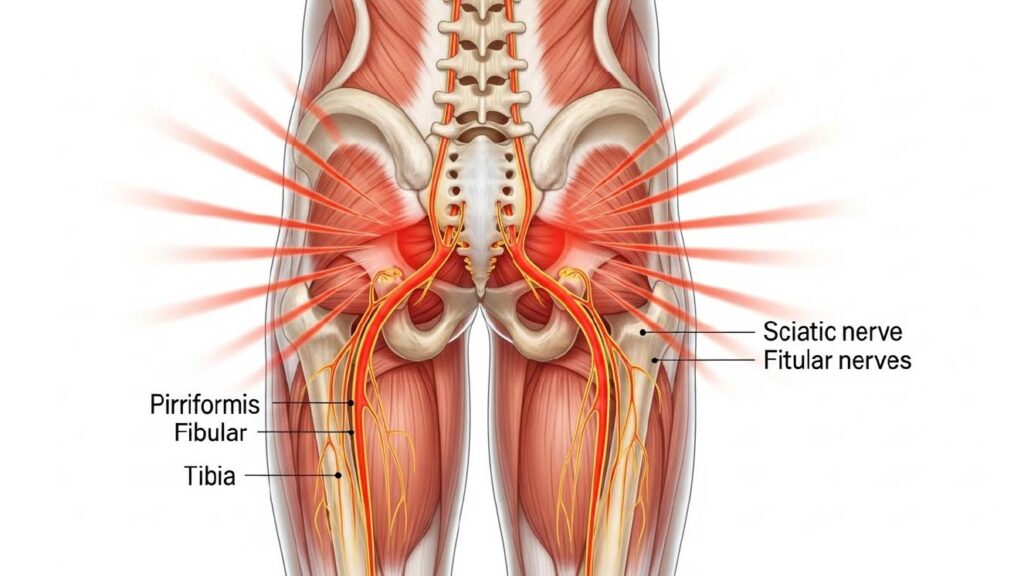
Sciatic pain refers to symptoms that involve the sciatic nerve, the largest nerve in the body. This nerve runs from your lower back, through your hips and glutes, and down each leg. When it becomes irritated or sensitive, it can lead to a range of symptoms along that path.
People experience sciatic pain in different ways, but some of the most common signs include:
- Pain that travels from the lower back into the buttock or leg
- Tingling or pins and needles sensations in the leg or foot
- Numbness or changes in sensation in part of the leg or foot
- A feeling of weakness or heaviness in the leg
- Reduced tolerance for standing and walking
For some, symptoms stay localized. For others, they move around or change over time. That variability is normal, and it’s one reason why a personalized approach to care matters.

Why Does It Happen?
Sciatic pain can develop for several reasons, often involving a combination of factors from your movement, lifestyle, and environment rather than a single cause. These may include:
- The nerve’s surrounding tissues responding to a load they weren’t quite prepared for
- Increased sensitivity of the nerve itself
- Activity levels that have recently increased, decreased, or changed
- Prolonged positions, like sitting for long periods
Experiencing sciatic pain doesn’t necessarily mean something is seriously wrong. Rather, it indicates that your system is responding to stress or irritation. Our team can help you learn to adapt or adjust your movement.
How Physical Therapy Can Help with Sciatic Pain
One of the biggest misconceptions about sciatic pain is that rest is the best solution. While short periods of activity modification can help calm symptoms, long-term improvement usually involves the right kind of movement and progression. This is why physical therapy can be such an effective treatment option: it helps you stay active while reducing symptoms and building confidence in your body.
Every case of sciatic pain looks a little different. At Responsive Physical Therapy and PT Works, we’ll begin with an in-depth evaluation to help us identify potential contributing factors to your discomfort and understand how they behave. We’ll also learn more about which activities are important to you and how your body responds to different movements. Our role is to help you navigate this painful syndrome and return to your desired activities with confidence.
From there, we’ll develop a tailored treatment plan that addresses your needs.
What To Expect From Your Treatment
Hands-On Techniques to Enhance Movement
We generally start care with targeted manual therapy techniques to help reduce pain, restore mobility, and prepare your body for activity. These techniques might include:
- Joint mobilization to enhance your range of motion
- Soft tissue work to reduce discomfort and improve mobility
- Guided stretching or movement assistance
The goal is to create an approach that helps you move more comfortably while building long-term resilience and confidence in your body.
Movement That Supports Recovery
Our team will work with you to help your body adapt and become more tolerant to physical activity, which plays an important role in managing sciatic symptoms. Our approach might include:
- Targeted mobility exercises to reduce stiffness and improve nerve gliding
- Gradual strengthening to support the spine and surrounding muscles
- Strategies to help you navigate daily tasks more comfortably as you heal
Building Confidence and Momentum
Sciatic pain can sometimes make people hesitant to move, especially if certain activities have triggered symptoms in the past. Education is a core part of our care; providing a strong understanding of why you are feeling these symptoms helps restore confidence and fosters the healing process. We’ll help you understand the nature of your condition and which movements are safe for you to perform.
Remember that progress doesn’t have to be all-or-nothing. Small, consistent improvements often lead to meaningful long-term results.
Adapting Along the Way
Recovery isn’t always linear. Symptoms may fluctuate, and that’s okay. Your plan can be adjusted based on how you’re responding, ensuring it continues to support your progress.
Sciatic Pain Doesn’t Have to Slow You Down
Sciatic pain can feel disruptive, but with the help of a physical therapist, it doesn’t have to keep you from the activities that matter to you. With the right guidance and a plan tailored to your needs, our physical therapists can help reduce symptoms, stay active, and move forward with confidence.
If sciatic pain has been slowing you down, physical therapy can help you better understand your body’s ability to heal and take the next step toward feeling and moving better.
Schedule an appointment at Responsive Physical Therapy and PT Works today and get started with a plan built around you.
Family-Friendly Spring Activities
Try a New Outdoor Sport
As it begins to warm up, try picking up a new outdoor sport such as biking, rollerblading, hiking, golfing, fishing, or kayaking. These are all fun things you can do to get your blood pumping and introduce more physical activity into your routine after sitting at home for so many months!
Visit an Outdoor Farmers Market
If you love fresh and locally grown fruits and vegetables, a farmers market might be right up your alley! Visiting an outdoor farmers market gives you a chance to get some fresh air and hand-select the best produce, jams, preserves, and jellies for you to take home to try.
Go See a Drive-In Movie
This is a great spring activity, especially because you can roll down your windows and enjoy a nice breeze as you watch on the big screen. You could even invite people outside of your household to park their car near yours so you can watch it together.

Break Out the Gardening Tools
Do you love gardening and growing your vegetables, herbs, and flowers? If so, spring is calling your name! It’s time to roll up your sleeves and get your knees dirty in the backyard. Gardening is a great spring activity that provides some physical activity, and an excuse to get fresh air. Make sure to start with great soil and research the types of flowers and foods that grow the best in your climate.
Take a Scenic Drive
So many parts of nature come back to life in the spring, so why not take a scenic drive now and then to get out of the house? Try getting off the interstate and going the long way around to see some trees, fields, or parks – just make sure you have a GPS or know how to get home safely!
Make the Most of this Spring
We all deserve to enjoy spring for what it is: a new beginning. Try some of these fun activities to add a bit of joy to your daily routine!
Ready to Move Better and Feel Your Best?
Whether you’re managing an orthopedic condition or recovering from a yard-work strain, our team at Responsive Physical Therapy and PT Works is here to help. Contact us today to schedule your appointment.