

Shoulder Health
Move Better, Feel Stronger: A Fresh Approach to Shoulder Pain
From reaching for your favorite coffee mug or just getting comfortable in bed, shoulder pain can make even the simplest day-to-day activities feel more challenging. Fortunately, it’s not something that you have to live with.

At Responsive Physical Therapy and PT Works, we take a personalized, active approach to shoulder rehabilitation, with the goal of helping you manage your symptoms in the long term. Our team works to understand your symptoms so we can develop a treatment plan that focuses on building strength, improving mobility, and returning to the activities that matter most.
Why Does Shoulder Pain Happen Anyway?
Your shoulder is one of your body’s most mobile joints, allowing you to reach overhead, lift heavy objects, and move your arm in many directions. However, this impressive mobility depends on several structures in and around your shoulder joint working together, including muscles, tendons, ligaments, and bones.
With all these structures in place, it’s not surprising that shoulder pain can develop for several reasons. Sometimes it follows an obvious injury, like a dislocation. Other times, however, discomfort can develop gradually, often without a clear initial cause.
Furthermore, shoulder symptoms can also be influenced by a wide range of additional factors, such as your day-to-day activity demands, sleep habits, and general health and injury history. You might be experiencing pain, but that doesn’t necessarily mean there’s underlying tissue damage. Ultimately, the relationship between physical changes and symptoms varies from person to person.
That’s why our team works very hard to ensure we understand your specific situation.
The Role of Shoulder Strength and Mobility
Two factors we often consider when evaluating shoulder pain are strength and mobility, both of which play important roles in healthy shoulder function:
- Strength helps your muscles support the shoulder joint and manage the demands of everyday activities. Whether you’re lifting a heavy grocery bag or playing tennis, stronger muscles can improve your ability to perform these tasks.
- Mobility refers to your ability to move your shoulder through a comfortable range of motion. Adequate mobility makes reaching, dressing, and other daily activities easier.
These qualities work together. For example, improving shoulder mobility can help you reach overhead more comfortably, while building strength can help you lift and control objects within that range.
That said, you don’t need maximum strength or mobility to have a healthy shoulder. Our goal is to help you develop the physical capacity that supports your lifestyle.
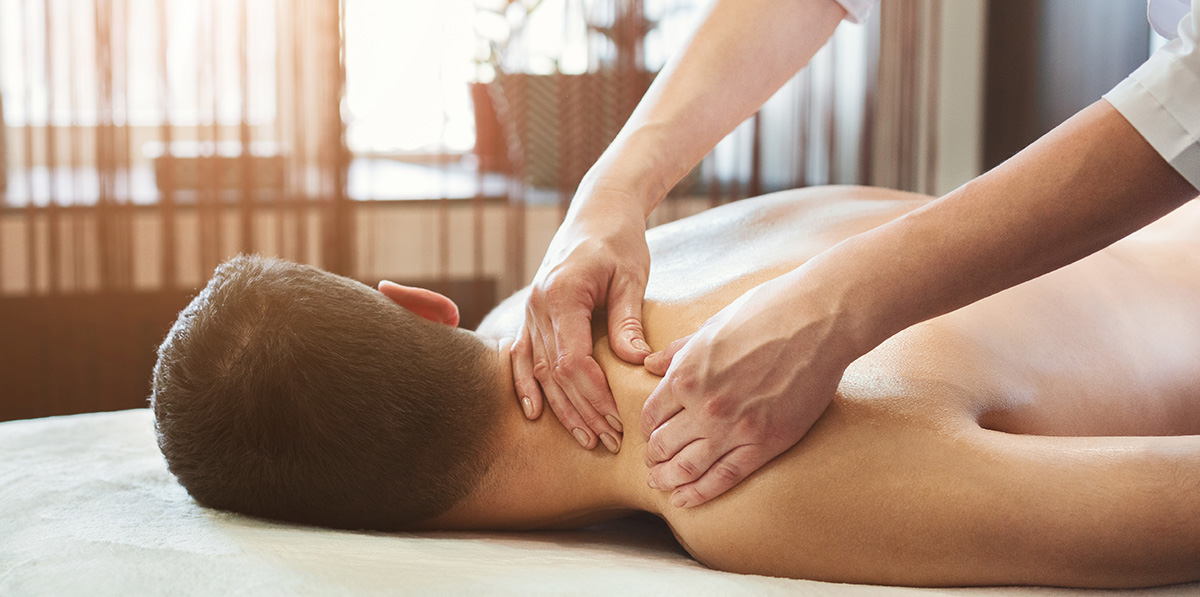
A Comprehensive Approach to Shoulder Care
Physical therapy is an important first-line treatment option for many types of shoulder pain. Exercise-based rehabilitation is a particularly effective treatment option and can help improve pain, strength, and function in several common types of shoulder concerns.
At Responsive Physical Therapy and PT Works, the process begins with understanding your unique needs. We’ll assess your symptoms, shoulder strength and mobility, and activity tolerance, and discuss your personal goals. This information helps guide a treatment plan that can be adjusted as you improve.
Progress doesn’t have to happen all at once. Small, consistent improvements in strength, comfort, and function can make a meaningful difference.
Treatment Techniques We Might Suggest
Manual Therapy
- Hands-on techniques that may provide short-term symptom relief or improve movement comfort alongside active rehabilitation
Mobility Exercises
- Using comfortable, controlled movements to improve or maintain useful ranges of motion
Targeted Strengthening Exercises
- Gradually building the capacity of your rotator cuff, shoulder, and upper-back muscles to support everyday movement like lifting or reaching
Activity-Specific Exercises
- Personalized training that reflects your specific interests, whether that’s swimming, gardening, working out, or returning to a favorite sport
Activity Modification
- Finding practical ways to stay active while temporarily adjusting movements that aggravate symptoms
Patient Education
- Understanding your symptoms, managing flare-ups, and developing confidence in your ability to move
More Strength, More Movement, More Possibilities
Shoulder pain doesn’t have to keep you from the activities you love. With an individualized treatment plan and a whole-person approach to rehabilitation, the Responsive Physical Therapy and PT Works team is here to help you work toward stronger shoulders, improved mobility, and greater confidence in everyday movement.
Ready to get moving with greater comfort? Contact us today to schedule an evaluation and take the next step toward feeling and functioning better.
Ready to Move Better and Feel Your Best?
Ready to get back to feeling your best? Whether you’re managing lingering pain, recovering from an injury, or looking to move with greater confidence, the team at Responsive Physical Therapy is here to help. Schedule your next appointment and keep building on your progress toward better movement and lasting results!
Test Your Knowledge
💪 Move Better, Feel Stronger
Shoulder Pain: Myth or Fact?
Find out how strength, mobility, and personalized physical therapy can help support healthier shoulder function.
True or False?

3 Ways to Practice Gratitude
Did you know that being grateful is actually good for your health? It’s true!
We all love Thanksgiving for the excellent food, football, and time spent with family, but truthfully, this holiday means much more. Practicing gratitude can lead to greater happiness all year long.
“Gratitude helps people feel more positive emotions, relish good experiences, improve their health, deal with adversity, and build strong relationships.”
— Harvard Health PublishingIf you want to implement more gratitude in your own life, take a look at these 3 tips
Write thank you letters
Remember writing thank you letters? How long has it been since you wrote one? You don’t need to have a wedding, graduation, or other big life event to thank the people in your life. Try writing thank you letters to your friends and family for the little things– you’ll be surprised at how good it feels!
Write down what you are grateful for every day
This might sound intimidating, but it doesn’t have to be! Take a few minutes each morning or evening to write down at least 3 things that you are grateful for in your life. This repeated action helps us shift into a more positive mindset and can help fight symptoms of depression and anxiety.
Use visual reminders
It can be hard to remember to practice gratitude. With your hectic schedule, sometimes it can feel impossible to sit down, take a moment to breathe, and reflect on your blessings. Visual cues can be a great tool for reminding us to take a beat.
Something as simple as sticky notes, a poster, or even your home screen on your phone or laptop can help us remember to slow down and shift to a positive mindset.
Make Gratitude a Habit This Season 🍂
A little gratitude can go a long way. Write it down, say it out loud, or leave yourself a reminder — however you practice it, your mind and body will thank you.
Staff Spotlight:
TBD
Ready to Move Better and Feel Your Best?
Whether you’re managing an orthopedic condition or recovering from a yard-work strain, our team at Responsive Physical Therapy and PT Works is here to help. Contact us today to schedule your appointment.