



Recovering from surgery often comes with unexpected challenges, and for Tom (not his real name), balance issues after surgery were at the top of the list. After undergoing knee replacement surgery, he found himself struggling with everyday tasks that once felt effortless. From navigating uneven surfaces to climbing stairs, his lack of stability left him feeling frustrated and uncertain about his recovery. Determined to get back on his feet, Tom turned to Responsive Physical Therapy and PT Works for help. Through expert care and a tailored approach, he discovered that regaining balance after surgery is not just possible—it’s achievable with the right guidance.
Surgery and Stability: Why Balance Takes a Hit
Orthopedic surgeries, such as knee replacements, hip replacements, or foot surgeries, can significantly impact balance. This happens for several reasons:
Loss of Muscle Strength:
- Surgery often results in muscle weakness, particularly in the legs and core, which are essential for stability.
Joint Stiffness:
- Limited mobility in the affected joint can disrupt natural movement patterns, making balance more difficult.
Changes in Gait:
- Altered walking mechanics during recovery can throw off overall stability.
Fear of Falling:
- Many patients become cautious after surgery, which can lead to stiff, unnatural movements and further affect balance.
These balance issues after surgery can make daily activities feel daunting, as Tom quickly discovered.
Tom’s Story: Recovering Stability with Expert Care
Before surgery, Tom led an active life, enjoying weekend hikes and playing with his grandkids. However, post-surgery, he faced a new reality. Simple tasks like walking across a parking lot or climbing stairs became challenges he never anticipated.
Determined to regain his independence, Tom visited Responsive Physical Therapy and PT Works, where a team of skilled physical therapists reassured him that recovery was within reach.
A Comprehensive Evaluation to Pinpoint the Problem
At Responsive Physical Therapy and PT Works, Tom’s journey began with a thorough evaluation to identify the root causes of his balance issues after surgery. The process included:
Gait Analysis:
- Therapists observed Tom’s walking pattern, identifying compensations and irregularities caused by weakness or stiffness.
Strength and Mobility Assessments:
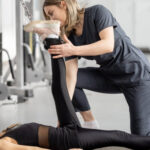
- By testing the strength of Tom’s quadriceps, hamstrings, and core muscles, therapists pinpointed areas that needed targeted strengthening.
Balance Testing:
- Specific tests helped gauge Tom’s stability on different surfaces and positions, giving a clear picture of the challenges he faced.
Armed with this information, Tom’s therapist developed a personalized plan designed to rebuild his balance step by step.
Step by Step: Tom’s Treatment Plan
Tom’s recovery plan focused on addressing the physical and psychological factors contributing to his balance issues after surgery. Key components included:
Strengthening Exercises:
- Targeted exercises helped rebuild strength in Tom’s legs and core, which are crucial for maintaining stability.
Balance and Proprioception Training:
- Exercises like standing on unstable surfaces improved Tom’s awareness of his body’s position and control during movement.
Gait Retraining:
- Therapists worked with Tom to correct his walking mechanics, ensuring he moved with proper alignment and reduced compensatory patterns.
Safe Movement Education:
- Tom learned practical strategies for navigating uneven terrain, climbing stairs, and regaining confidence in his movements.
The therapists at Responsive Physical Therapy and PT Works also encouraged and supported Tom, helping him stay motivated throughout his recovery.
Regaining Balance with Responsive Physical Therapy and PT Works
Tom’s progress was steady, and his milestones came quicker than he expected. Within weeks, he was walking unaided and climbing stairs with confidence. Soon, he was back to enjoying activities with his grandkids, his fears of falling now a thing of the past.
At Responsive Physical Therapy and PT Works, we understand the challenges of recovering from balance issues after surgery. Our physical therapists are dedicated to helping patients like Tom regain their independence through personalized care and evidence-based techniques.
If you’re facing balance challenges after surgery, contact Responsive Physical Therapy and PT Works today. Together, we’ll create a plan to help you rebuild stability and confidence so you can move forward with your recovery!



Leave a Reply